
Operational architecture where nothing executes without authority.
Universal Operating Architecture
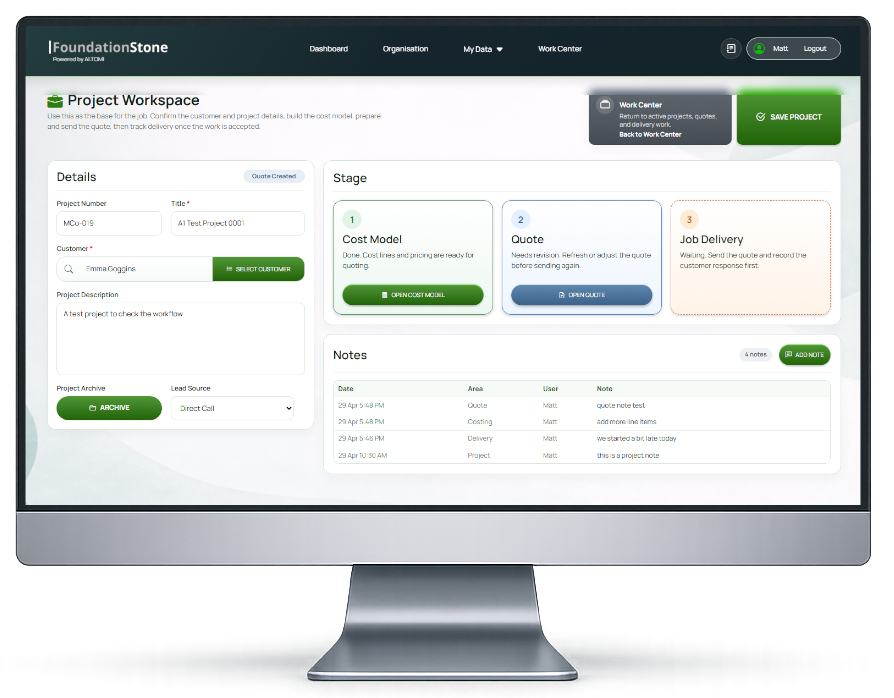
FoundationStone
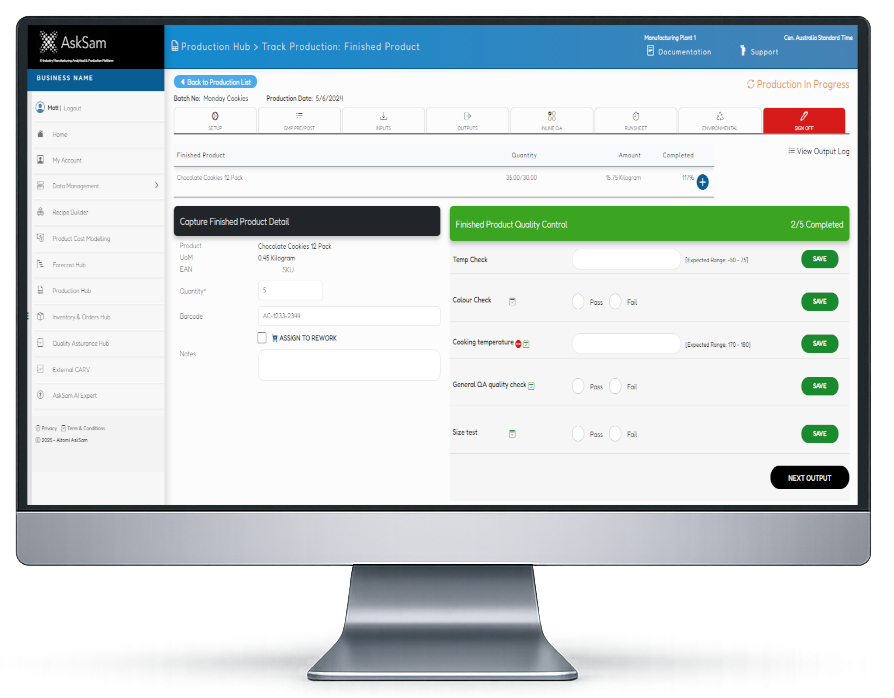
AskSam™ Multiverse
Most business systems record outcomes after the fact. Work is completed, decisions are made, costs are discovered, checks are performed, and then people try to rebuild the story later from spreadsheets, messages, folders and memory.
The Altomi Universal Operating Architecture starts from a different idea: the important details should be captured at the moment work happens, decisions are made, checks are completed and responsibility is accepted.
That means the system does not just store records. It helps create clearer, more reliable records as the business operates.
Designed for real-world accountability
In real businesses, work moves through steps. People make decisions. Costs change. Exceptions appear. Compliance requirements must be checked. Approvals need to be given. Sometimes work should move forward. Sometimes it should stop, wait or be reviewed.
UOA is designed around those moments. It connects work, decisions, costs, approvals, exceptions and compliance checks into a structured operating model, so the business can see:
what happened
who was responsible
what was checked
what it cost
what changed
what needs attention
why a decision was made
This creates accountability without forcing everything into rigid, unrealistic workflows.
The moment work becomes real
A key idea behind UOA is that the most important point in any workflow is the moment something becomes real.
That might be when a job is approved, a quote is accepted, a compliance check is completed, a production batch moves forward, a cost is confirmed, or an exception is allowed to proceed. UOA is designed to capture the right information at those points, so decisions are not detached from the people, checks, costs and conditions behind them.
Why this matters
When information is scattered, businesses lose visibility.
They may know that work was completed, but not exactly what happened.
They may know the final price, but not what drove the cost.
They may know a check was ticked off, but not whether the issue behind it was properly resolved.
They may know a decision was made, but not who made it, when, or why.
UOA helps reduce that gap. It gives businesses a clearer operating record, which supports better day-to-day control, stronger compliance visibility, better pricing insight and more reliable reporting.
Built for today, ready for what comes next
Clean, structured operational records are becoming more important.
Reporting, automation and AI tools are only useful when the information underneath them is reliable. If the data is incomplete, scattered or reconstructed after the fact, the outputs will be limited too.
UOA helps build a stronger foundation by capturing work, decisions, costs and checks as part of normal business activity.
That gives Altomi products a practical advantage: they do not just help businesses manage the work today. They help create the cleaner records needed for better systems tomorrow.