
The Altomi Journal
Operational software, data foundations, and AI-ready systems.
This blog explores the thinking behind Altomi’s products and Universal Operational Architecture.
We write about fragmented systems, delayed reporting and why reliable operational data matters for daily work, better decisions and the emerging AI era.
The focus is on practical challenges, design principles and the trade-offs involved in building connected, adaptable systems.

Depreciation: The Cost of Tools, Equipment and Vehicles
Tools, equipment and vehicles do not last forever. Including depreciation in your overheads helps your pricing recover the cost of the assets your business relies on, rather than leaving future repairs and replacement costs to become expensive surprises.

The Reality Check: Are Your Numbers Telling the Truth?
A profit and loss statement can show that something is wrong without clearly explaining why. FoundationStone turns the numbers into a practical view of where money is going and whether overheads, pricing or job performance need closer attention.

Is Your Gross Profit Figure Giving You False Confidence?
Gross profit can look healthy while the business still struggles to make money. Until overheads are fully covered, that figure is not true profit. FoundationStone connects job margins with the real cost of keeping the business operating.
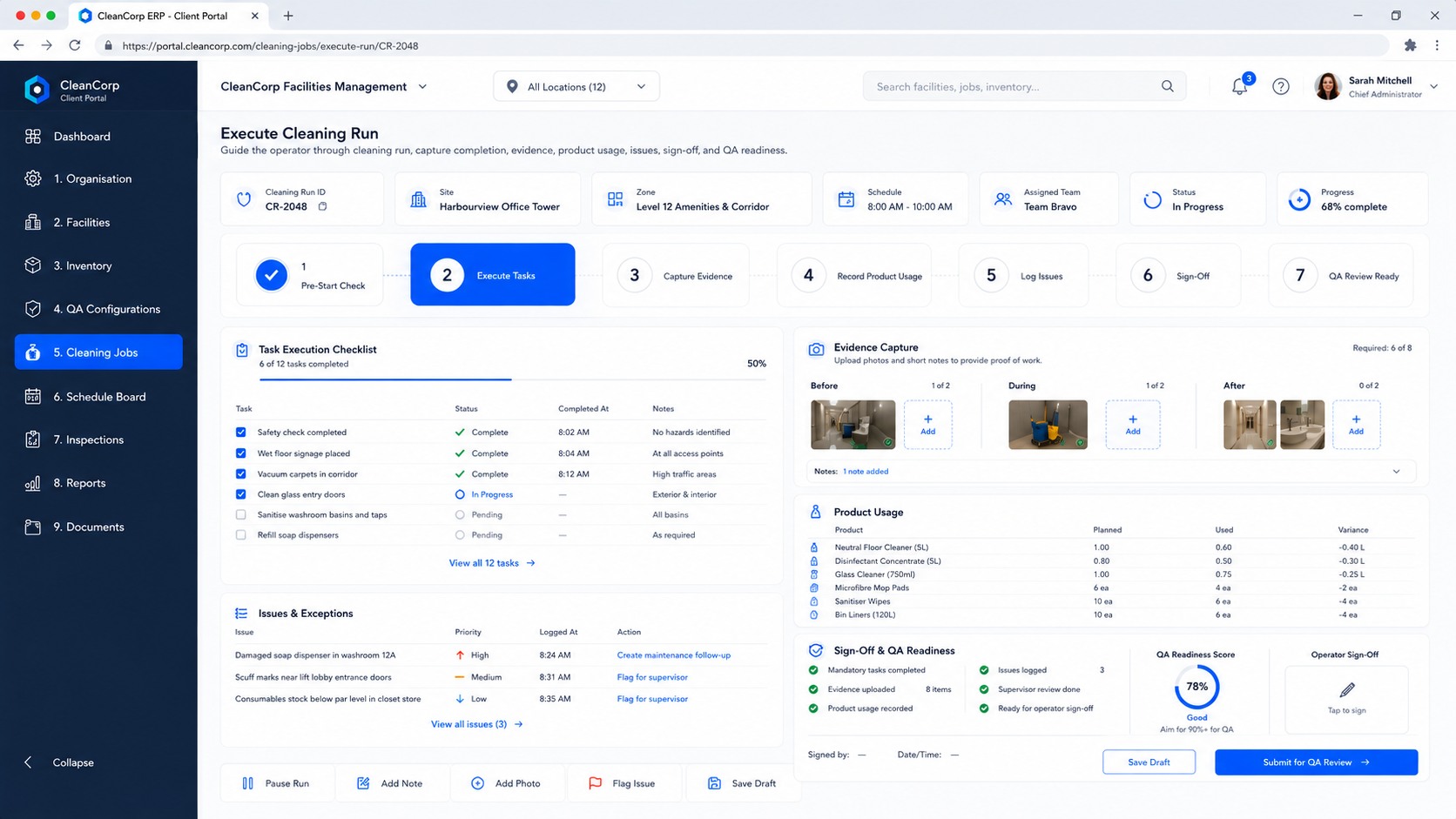
The Hidden Cost of Cleaning Your Business Cannot Ignore
Cleaning is essential, but its true cost can easily disappear into overheads. Measuring the labour, time, chemicals and resources involved reveals which products and processes create the greatest burden and where profitability may be overstated.

What Is Your Time Really Costing You Each Hour?
Your business keeps costing money whether work is happening or not. Breaking annual overheads into an hourly figure reveals the true cost of every productive hour and gives you a clearer foundation for setting sustainable, profitable rates.

Are Your Quotes Covering the Real Cost of Every Job?
A quote can cover materials and labour while still falling short of the job’s true cost. Including overheads in every quote helps ensure each job contributes to running the business, not simply covering the work required.

Ignoring Overheads Means Less Profit, It Is That Simple
When pricing covers materials and labour but not overheads, part of every job quietly reduces your profit. FoundationStone builds overhead recovery into quoting, helping each job cover the true cost of operating the business.

Why Overheads Matter More Than Most Businesses Realise
Overheads are one of the main reasons a busy business can still fall short on profit. This series explains what they really cost, how they affect pricing and why they need to be included in every quote.